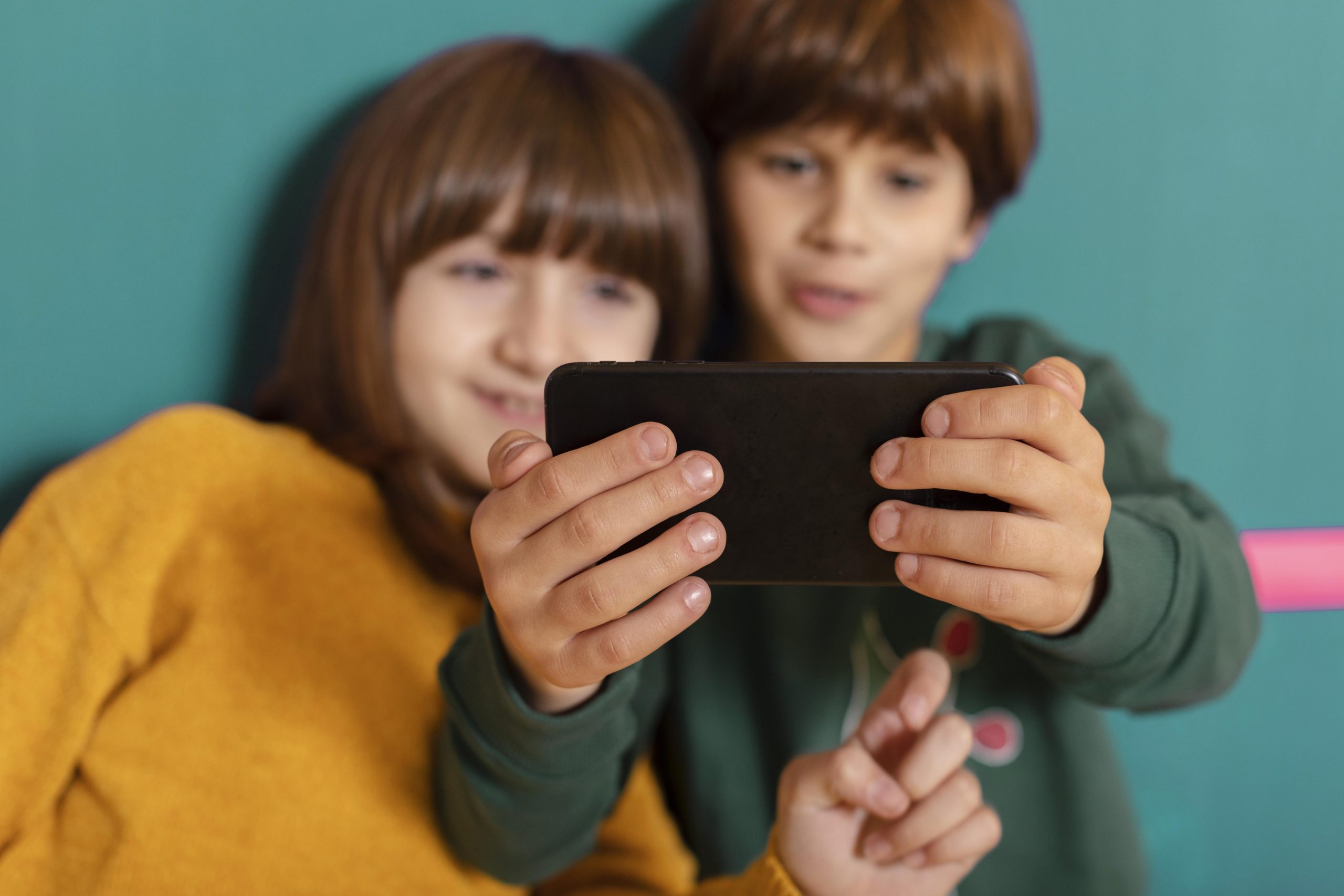
YouTube is one of the most popular platforms in the world, and its seemingly endless content can be incredibly appealing to kids. From cartoons and educational videos to toy reviews and gaming channels, there’s something for every interest. However, while YouTube can offer some benefits, it also comes with significant drawbacks that parents should carefully consider.
Here’s why YouTube may not be the best choice for kids.
1. Exposure to Inappropriate Content
Even with parental controls and YouTube Kids, children can still stumble upon videos that aren’t age-appropriate. Inappropriate language, violent imagery, or even misleading thumbnails can expose kids to things they aren’t ready to see or understand.
2. Unregulated Advertisements
YouTube is filled with ads, many of which are not child-friendly. Kids may be exposed to commercials for products or services that are inappropriate or encourage excessive consumerism. Even YouTube Kids often features ads disguised as content, making it harder for children to distinguish between entertainment and marketing.
3. Addiction and Overstimulation
The platform’s algorithm is designed to keep users watching for as long as possible. For kids, this can lead to unhealthy screen time habits, overstimulation, and even addiction. The constant stream of fast-paced, attention-grabbing videos can make it hard for children to focus on other activities like reading, playing, or studying.
4. Risk of Exploitation
Some YouTube channels exploit children’s interests for views and profit. Certain “kid influencers” promote products, unhealthy habits, or even questionable behaviors, subtly shaping children’s preferences and opinions without their awareness.
5. Limited Educational Value
While YouTube has many educational channels, they are mixed with a sea of content that offers little to no developmental value. Kids can spend hours watching videos that don’t teach them anything meaningful, and it becomes a missed opportunity for more enriching activities.
6. Unsafe Interactions
If kids are allowed to comment or engage on YouTube, they could be exposed to harmful interactions. Even YouTube Kids isn’t immune to inappropriate comments or predatory behavior, making it difficult to ensure a completely safe experience.
7. Encourages Passive Consumption
YouTube encourages kids to be passive consumers of content rather than active participants in their learning and play. Excessive passive consumption can hinder creativity and critical thinking skills.
How to Protect Kids from YouTube’s Downsides
If your child loves YouTube, you don’t have to cut it out entirely, but taking some precautions can help mitigate the risks:
- Use Parental Controls: Limit access to YouTube Kids and set filters to block inappropriate content.
- Supervise Viewing: Watch videos with your child and discuss what they’re watching to ensure it aligns with your values.
- Set Time Limits: Establish clear boundaries for screen time and encourage other activities like reading, outdoor play, or creative hobbies.
- Encourage Active Learning: Introduce your child to alternative platforms or activities that promote interactive learning and creativity.
- Teach Media Literacy: Help your child understand the difference between entertainment, advertising, and educational content, so they can make informed choices.
Conclusion
While YouTube can be a source of entertainment and education, it’s important to approach it with caution. The risks of inappropriate content, excessive screen time, and passive consumption outweigh the benefits for many children. By setting boundaries and offering alternative activities, parents can ensure their kids grow up with healthier habits and better opportunities to learn and explore.