Learning colors is one of the first milestones in a child’s development, and it’s more than just fun and games. Understanding and identifying colors helps children build essential skills that they’ll use throughout their lives. From fostering creativity to enhancing communication, the journey of learning colors opens the door to a world of discovery.
Why Learning Colors Is Important
1. Builds Cognitive Skills
Learning colors enhances a child’s cognitive development by helping them categorize and organize their environment. Associating colors with objects—like a red apple or a blue sky—teaches them how to group and differentiate items based on attributes.
2. Enhances Language Development
As kids learn to name and describe colors, they expand their vocabulary and communication skills. Describing something as “yellow” or “bright green” helps them articulate their thoughts and observations more effectively.
3. Sparks Creativity
Recognizing and experimenting with colors encourages creative thinking. When kids mix paints or choose colors for a picture, they’re making decisions, experimenting with combinations, and exploring their artistic abilities.
4. Teaches Early Math and Science Concepts
Colors introduce children to basic concepts like sorting and patterns, which are essential for math and science. For example, arranging blocks by color or observing how mixing blue and yellow makes green teaches problem-solving and critical thinking.
5. Strengthens Emotional Connections
Colors are often tied to emotions—like feeling happy with yellow or calm with blue. Learning colors helps children express how they feel and understand the emotions of others. It also gives parents a chance to explore emotional literacy through fun and relatable activities.
How to Make Learning Colors Fun
1. Play Games
Games like “I Spy” or scavenger hunts focused on colors are a great way to engage kids. For example, “I spy something red!” encourages them to look around and identify objects.
2. Use Everyday Objects
The world is full of colors! Use toys, clothes, food, or items around the house to teach colors naturally. Point out the “green broccoli” on their plate or the “red car” in the driveway.
3. Incorporate Art Activities
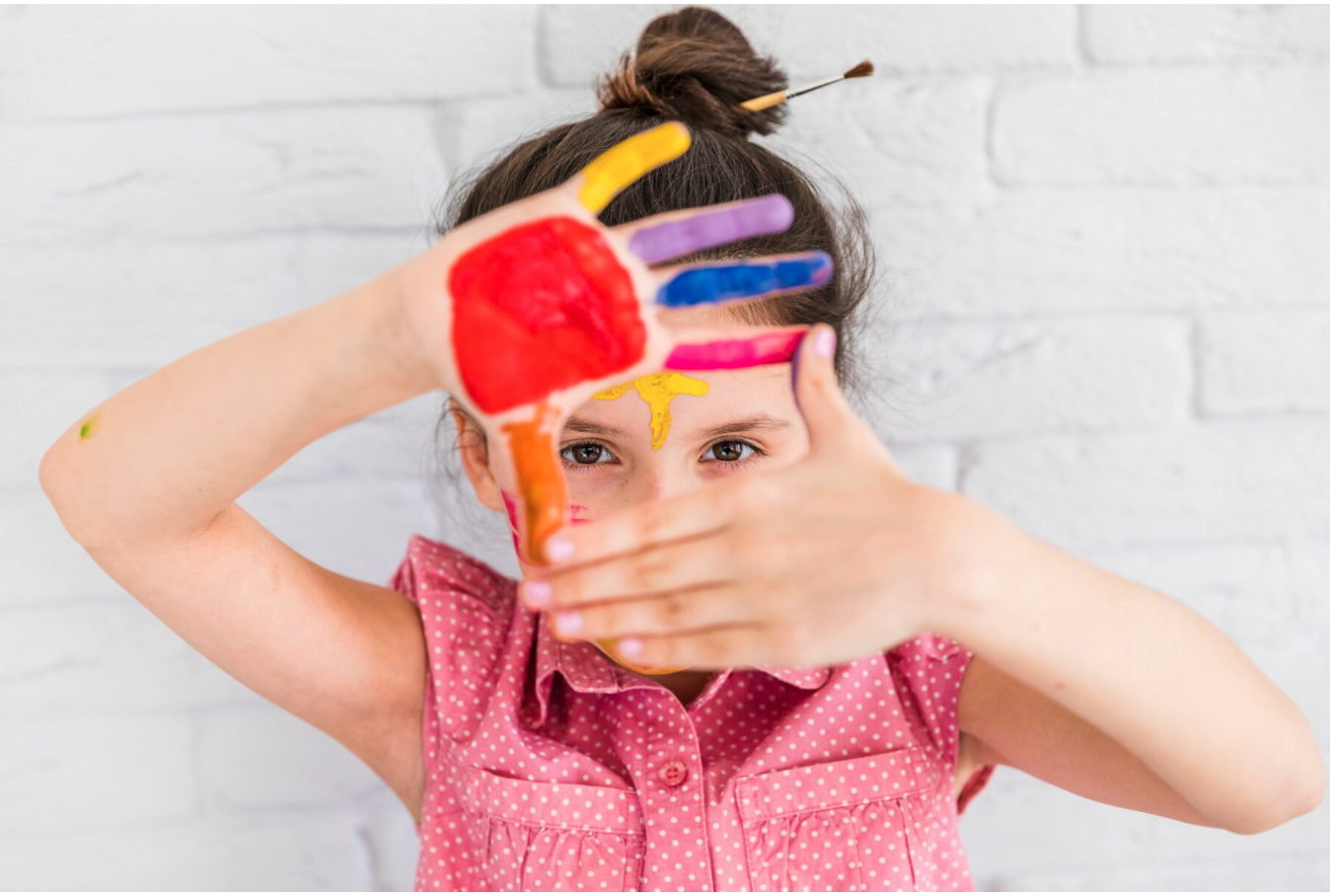
Coloring, painting, and drawing are not only fun but also great tools for learning. Encourage kids to explore different shades and mix colors to see what happens.
4. Sing Songs and Read Books
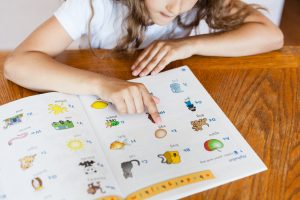
Songs like “The Rainbow Song” and color-themed storybooks are interactive and entertaining ways to teach colors. They help reinforce the concepts through repetition and visual cues.
5. Get Outdoors
Nature is one of the best classrooms for learning colors. A walk in the park or a day at the beach offers endless opportunities to point out and talk about the colors of flowers, animals, or the sky.